The Finxperts Academy

Categories
Uncategorized

The Power of a Trading Journal.

Building a Simple Algo Strategy | 2025 Proven Beginner’s Guide


Building a simple algo strategy starts with one rule, one filter, and one exit. In 2025, retail traders in India can use NSE data, basic coding, and SEBI-compliant APIs to design and test algos. This guide explains how beginners can create, backtest, and deploy a simple algo step by step.


Trading Without Emotions: Why Algos Matter

Have you ever regretted buying a stock too early or selling too late? Emotions ruin trading discipline. That’s where algorithmic trading comes in — letting a set of rules decide when to buy or sell.

And the good news? You don’t need to be a programmer at Google to start building a simple algo strategy.


What Makes an Algo Strategy Simple?
  • Clear rule → e.g., buy when the short-term moving average crosses the long-term moving average.

  • Defined filter → e.g., trade only if volume is above 20-day average.

  • Fixed exit → opposite signal or stop-loss.

  • Risk cap → never risk more than 1–2% of your capital.

👉 A simple strategy = minimal complexity, maximum clarity.


Example: Moving Average Crossover

The moving average crossover strategy is one of the most popular beginner setups.

  • Buy when the 50-day SMA crosses above the 200-day SMA.

  • Sell when the reverse happens.

  • Use ATR-based stop-loss to manage risk.

This works well on NSE stocks like Infosys or ICICI Bank, especially on daily charts.

📖 Reference: Investopedia Moving Average Crossover


Getting the Data & Tools

To run algos, you need data + platform:

  • Market Data: OHLC data from NSE India.

  • Tools: Python (pandas, TA-Lib) or Excel.

  • Backtesting: Free libraries, or broker-provided tools.

  • APIs: Brokers like Zerodha/Upstox provide SEBI-approved APIs.

Docs: TA-Lib Official Documentation


Step 1: Backtesting Your Idea

Backtesting = running your rule on old data to see how it would have performed.

Checklist for backtesting:

  • Train/test split (avoid overfitting).

  • Metrics: CAGR, Win Rate, Sharpe Ratio, Max Drawdown.

  • Include fees + slippage (don’t ignore hidden costs).

👉 Learn basics here: Investopedia Backtesting.


Step 2: Add Risk Management

Algo strategy ≠ only entry signals. Real power comes from risk rules:

  • Stop-loss: fixed % or ATR-based.

  • Position sizing: only a set % of account per trade.

  • Portfolio risk: max 5–10% capital in one stock.

  • Daily cap: stop trading after max daily loss.

Without risk control, even the best strategy fails.


Step 3: Deploying the Algo Safely
  • Phase 1: Paper trading (demo or virtual trades).

  • Phase 2: Live with small real capital.

  • Phase 3: Scale gradually.

Always use logs, alerts, and monitoring tools. Algo = discipline, but humans still need oversight.


Mistakes Most Beginners Make
  • Over-optimizing: making the algo perfect for past data but useless live.

  • Ignoring brokerage/slippage: actual profits may drop 20–30%.

  • Tiny datasets: testing only on 6 months of data.

  • Going all-in: risking huge capital without live testing.

👉 See real discussions on Reddit AlgoTrading (nofollow).


 Quick Takeaways
  • Building a simple algo strategy = one clear rule + test + risk control.

  • SMA crossover is a great beginner method.

  • Always backtest with realistic costs.

  • Deploy in phases: paper → small live → scale.

  • In 2025, SEBI and NSE frameworks make retail algo trading safer.


FAQs

Q1: What is the simplest algo strategy for beginners?
A: Moving average crossover (SMA50 > SMA200) is the simplest algo for NSE stocks.

Q2: Is algo trading legal in India?
A: Yes. SEBI allows algo trading via registered brokers and approved APIs.

Q3: How much money do I need to start?
A: Even ₹50,000 is enough if you follow strict risk rules.

Q4: Can I backtest without coding?
A: Yes. Many brokers offer drag-and-drop tools, though Python gives more flexibility.

Q5: How do I avoid overfitting in algos?
A: Test across multiple stocks, timeframes, and avoid optimizing too many parameters.


Why The Finxperts Academy Trains You in Algo Trading

At The Finxperts Academy (Noida, Sector 2), we guide students and working professionals to:

  • Build algos step by step (rules → backtest → deploy).

  • Learn Python-based backtesting and API usage.

  • Understand SEBI regulations for algo compliance.

  • Practice in offline + online training formats with real examples.

👉 Our motto: Learn. Trade. Excel.


See Our More Blogs

👉 Read More Blogs


Institute Info 

The Finxperts Academy
B-11, Sector 2, Noida – 201301
Website: www.thefinxpertsacademy.com
Email: thefinxpertsacademy@gmail.com
Phone: +91 9717333285

Disclaimer 

This blog is for educational purposes only. Stock market investments are subject to risks. Please do thorough research before investing.

Categories
Uncategorized

Technical vs. Fundamental Analysis.

technical vs fundamental analysis explained with stock chart India

Technical vs Fundamental Analysis Exposed | 2025 Honest Guide for Traders


Technical vs. Fundamental Analysis is the most debated topic in stock markets. Technicals use charts and price data, while fundamentals rely on financial health and company value. In 2025, successful Indian traders blend both to trade smartly. This guide explains differences, pros, and how beginners can apply each.


Charts vs. Balance Sheets: The Never-Ending Battle

In 2021, millions rushed to apply for the Zomato IPO, while short-term traders tried to capture listing day gains on candlestick breakouts. Same stock, two very different approaches.

This sums up the age-old debate: Technical vs. Fundamental Analysis. Should you trust a chart pattern, or the company’s balance sheet?

Let’s break it down smartly for 2025 traders.


What is Technical Analysis?

Technical analysis studies charts, price action, and trading volumes to forecast stock movements.

  • Tools: candlestick charts, RSI, MACD, moving averages, support/resistance.

  • Purpose: Identify quick entry/exit points.

  • Best for: intraday and swing traders.

👉 Example: If Nifty forms a bullish breakout with high volume, a technical trader buys call options with a strict stop-loss.

For more, see Investopedia: Technical Analysis.


What is Fundamental Analysis?

Fundamental analysis examines a company’s financial health and intrinsic value.

  • Tools: P/E ratio, EPS, ROE, debt-to-equity, management commentary.

  • Purpose: Evaluate long-term investment potential.

  • Best for: investors holding for years.

👉 Example: Before LIC IPO, investors checked LIC’s assets, solvency, and growth potential from SEBI-approved filings.

Official filings can be seen on SEBI’s IPO Guidelines and BSE Corporate Filings.


Key Differences: Technical vs. Fundamental Analysis
AspectTechnical AnalysisFundamental Analysis
FocusPrice charts, indicatorsFinancials, balance sheets, economy
Time HorizonShort-term: minutes → weeksLong-term: months → years
BasisMarket psychology & price historyIntrinsic business value
Best ForIntraday, swing, options tradersLong-term investors, IPO buyers
When to Use Technical Analysis
  • Intraday setups on NSE stocks.

  • Swing trades in mid-caps.

  • Options strategies (bull call spread, ratio spreads).

  • Confirming momentum via RSI/MACD.

👉 NSE charts: NSE India Market Data.


When to Use Fundamental Analysis
  • Evaluating IPOs and DRHP filings.

  • Buying blue-chip stocks for retirement.

  • Long-term SIP/portfolio planning.

  • Checking financial health of banks, IT, FMCG companies.

👉 Useful resource: Fundamental Analysis – Investopedia.


Smart Traders Combine Both

In Delhi NCR, many traders combine fundamentals + technicals:

  • Fundamentals select a quality stock (Infosys).

  • Technicals decide the best entry point (breakout at ₹1,450).

This hybrid approach is often recommended even in Reddit stock market discussions (nofollow), where traders share real experiences of mixing both.


Case Example: HDFC Bank vs. Nifty Futures
  • Investor: Uses fundamentals → sees HDFC Bank’s strong loan book & low NPAs → buys for 5 years.

  • Trader: Uses technicals → spots Nifty futures breakout → books profit intraday.

Both earn money, but approach differs.


Key Takeaways
  • Technical vs. Fundamental Analysis = short-term vs long-term thinking.

  • Technical → charts, indicators, psychology.

  • Fundamental → financials, ratios, intrinsic value.

  • Both together = best results.

  • In 2025, traders in India need hybrid skills to win consistently.


FAQs

Q1: What is technical analysis in stock markets?
A: It’s the study of price charts and indicators like RSI/MACD to predict short-term moves.

Q2: What is fundamental analysis in stock markets?
A: It’s the evaluation of company financials, P/E, EPS, and growth potential.

Q3: Which is better: technical or fundamental analysis?
A: Neither alone — technicals work for traders, fundamentals for investors. The best traders combine both.

Q4: Can beginners use technical analysis?
A: Yes, beginners can start with candlestick basics, support/resistance, and volume analysis.

Q5: What are the key ratios in fundamental analysis?
A: P/E, EPS, ROE, debt-to-equity, and operating margins.


Why The Finxperts Academy Teaches Both

At The Finxperts Academy (Noida, Sector 2), students don’t just learn definitions. We train them to:

  • Read charts smartly (candlesticks, RSI, MACD).

  • Analyze companies deeply (balance sheet, DRHP, P/E).

  • Apply both for real market decisions.

  • Learn via offline + online modes, with mentorship.

That’s how we prepare traders for NSE/BSE markets in 2025.


See Our More Blogs

👉 Read More Blogs


Institute Info

The Finxperts Academy
B-11, Sector 2, Noida – 201301
Website: www.thefinxpertsacademy.com
Email: thefinxpertsacademy@gmail.com
Phone: +91 9717333285

Disclaimer

This blog is for educational purposes only. Stock market investments are subject to risks. Please do thorough research before investing.
Categories
Uncategorized

What is an IPO? How to Apply.

how to apply for IPO online in India via UPI and ASBA

What is an IPO? How to Apply in 2025 


What is an IPO? It’s when a private company sells its shares to the public for the first time, listing on NSE/BSE. In 2025, IPOs remain a top way for Indian investors to enter growing companies. This guide explains IPO meaning, process, and how to apply step by step.


IPOs: The Doorway to Market Opportunities

When Reliance Power launched its IPO back in 2008, more than 50 lakh applications flooded in. In recent years, Zomato, Paytm, and Nykaa have drawn similar excitement. IPOs are not just financial events — they’re opportunities for retail investors to become early shareholders in companies they believe in.

But before you jump in, let’s answer the big question: What exactly is an IPO and how do you apply for one?


IPO Meaning Explained

An IPO (Initial Public Offering) is the first time a private company offers shares to the public. After SEBI’s approval, shares get listed on NSE and BSE, making the company “publicly traded.”

👉 Example: In 2021, Nykaa went public through its IPO, raising funds and giving investors the chance to buy shares before it traded on exchanges.

So, IPOs = fundraising for companies + ownership opportunity for investors.


Why Companies Choose IPOs

Companies launch IPOs for multiple reasons, including:

  • Raising funds for expansion or new projects.

  • Reducing existing debts.

  • Increasing brand trust and visibility.

  • Providing an exit route to early investors and venture capitalists.

For investors, IPOs are attractive because they can enter a company at its listing price — often before institutional funds build large positions.


The IPO Journey (Process in India)
  1. Filing the Draft Red Herring Prospectus (DRHP) with SEBI.

  2. Approval by SEBI and acceptance by NSE/BSE for listing.

  3. Setting the Price Band (e.g., ₹90–₹100).

  4. Application Window Opens (generally 3–5 working days).

  5. Allotment Decision — shares allotted randomly in case of oversubscription.

  6. Listing Day — shares debut on NSE and BSE, often at a premium or discount.


How to Apply for an IPO in India

1. Bank ASBA Method

  • Log into net banking → IPO section.

  • Select IPO, enter quantity, confirm.

  • Money remains blocked until allotment.

2. UPI via Brokers

  • Use apps like Zerodha, Groww, or Upstox.

  • Enter IPO details, approve UPI mandate.

3. Directly on NSE/BSE Portals

  • Register with PAN + Demat.

  • Apply directly through exchange websites.

💡 Tip: Always ensure your Demat account is active and linked to your bank/UPI before applying.


IPO Allotment for Beginners
  • Retail quota = 35% reserved for small investors.

  • If IPO oversubscribed → allotment by lottery.

  • Shares credited directly to Demat account.

  • Refunds (if not allotted) happen automatically.


Pro Tips Before Applying for an IPO
  • Always read the company’s DRHP for financial health.

  • Check grey market premium (GMP) for market sentiment.

  • Apply in multiple family accounts (different PANs) to increase allotment chances.

  • Never invest based only on hype — focus on fundamentals.


Case Example: LIC IPO

The LIC IPO in 2022 became India’s biggest ever. Millions applied, but only some got allotments due to heavy oversubscription. Those who got shares saw mixed listing performance, proving that IPO investments carry both opportunities and risks.


TL;DR Key Points
  • IPO = Initial Public Offering → first time shares go public.

  • Regulated by SEBI, listed on NSE/BSE.

  • Apply via ASBA, UPI, or stock exchanges.

  • Allotment may be random if oversubscribed.

  • Smart research matters more than hype.


FAQs

Q1: What is an IPO in India?
A: IPO stands for Initial Public Offering, when companies sell shares publicly for the first time.

Q2: How can I apply for IPO as a beginner?
A: You can apply using your bank’s ASBA service, UPI through brokers, or NSE/BSE portals.

Q3: Do I need a Demat account to apply for IPO?
A: Yes, a Demat account is mandatory for IPO applications.

Q4: What documents are needed for IPO application?
A: PAN, Demat account, and linked bank/UPI details.

Q5: Are IPOs safe for beginners?
A: IPOs can be profitable but also risky; always research before investing.


Why The Finxperts Academy is Ideal for Learning IPO Basics

At The Finxperts Academy, we train students and professionals in practical stock market skills like IPO application, options, and risk management. With live examples, expert mentors, and certificate-backed programs in Noida, we ensure you understand IPOs beyond theory.

Our motto: Learn. Trade. Excel.


See Our More Blogs

👉 Read More Blogs


Institute Info 

The Finxperts Academy
B-11, Sector 2, Noida – 201301
Website: www.thefinxpertsacademy.com
Email: thefinxpertsacademy@gmail.com
Phone: +91 9717333285

Disclaimer

This blog is for educational purposes only. Stock market investments are subject to risks. Please do thorough research before investing.

Categories
Uncategorized

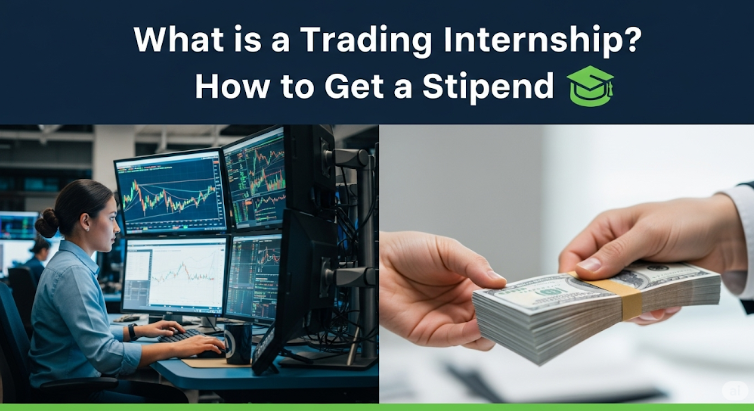
What is a Trading Internship? How to Get a Stipend.

trading internship in Noida with stipend at The Finxperts Academy

What is a Trading Internship? How to Get a Stipend in 2025 (Complete Guide)


A trading internship is the fastest way to gain real-world market experience while earning a stipend. In 2025, programs in Noida and Delhi NCR allow interns to trade under expert supervision, earn certificates, and develop professional trading skills that go beyond classroom theory — preparing them for financial careers.


Why Trading Internships Are in Demand

Stock market careers are no longer limited to brokers or fund managers. Today, students and professionals want direct trading exposure to understand how NSE and BSE function in real time. A trading internship gives exactly that: hands-on market practice, mentorship, and in some cases, stipend-based learning opportunities.

Many aspirants search for “trading internship in Noida” or “stock market internship with stipend” because they want practical knowledge, not just PowerPoint lessons. This is why institutes like The Finxperts Academy have built structured internships around live market analysis.


What is a Trading Internship?

At its core, a trading internship is a training + practice hybrid. Instead of only teaching theory, it places interns in simulated or live markets where they:

  • Track real-time indices like Nifty and Bank Nifty.

  • Learn options, arbitrage, and derivatives strategies.

  • Manage risk with stop-loss and hedging.

  • Earn stipends while gaining certificates of completion.

This makes it very different from a standard course. It’s career-oriented, experiential learning.


Types of Trading Internships Available in 2025

1. Classroom Internships (Noida/Delhi NCR)

  • Conducted at institutes like The Finxperts Academy.

  • Includes structured sessions + market labs.

  • Offline model helps students interact directly with mentors.

2. Online Internships

  • Suitable for students outside Delhi NCR.

  • Virtual mentorship + live charts + doubt-solving.

  • Sometimes performance-based stipends.

3. Funded Internships

  • The most exciting format.

  • Interns trade with institute-provided capital while losses are covered.

  • Stipend + profit-sharing options make this career-grade.


How Stipends Work in Trading Internships

Unlike unpaid internships in many industries, trading internships often include a stipend. Why? Because students contribute actively to market analysis and learning models.

For example, stipend models may include:

  • Fixed stipend (₹5,000–₹15,000 per month).

  • Performance stipend linked to accuracy in trade setups.

  • Hybrid model (stipend + certificates + capital exposure).

This ensures that even while learning, interns get value back for their time.


Skills You Build During a Trading Internship
  • Market Analysis: Interpreting option chains, candlestick patterns, open interest.

  • Risk Management: Applying SEBI-compliant risk controls.

  • Options & Derivatives: Learning spreads, covered calls, synthetic positions.

  • Trading Discipline: Journaling trades, handling emotions under pressure.

  • Professional Growth: Earning certificates that add credibility on resumes.

At NSE India you’ll find multiple modules, but only internships teach you how to apply them in real market hours.


Case Example: Stipend Internship in Delhi NCR

Megha, a commerce graduate from Gurgaon, joined a 3-month internship at The Finxperts Academy in 2024. During her program, she learned option spreads, worked with simulated capital, and received a monthly stipend of ₹8,000. By the end, she had a verified certificate and confidence to trade independently.

This shows how stipends make internships not only practical but also financially accessible.


 Key Points
  • A trading internship = training + live practice + stipend + certificate.

  • Stipends in 2025 range from ₹5,000 to ₹15,000 depending on program.

  • You gain skills in options, hedging, and risk management.

  • Best option for beginners in Noida / Delhi NCR.


FAQs

Q1: What is a trading internship?
A: It’s a program that combines live trading exposure, mentorship, and certificate issuance for aspiring traders.

Q2: Do trading internships pay a stipend?
A: Yes, stipends typically range between ₹5,000–₹15,000 depending on program type.

Q3: How long does a trading internship last?
A: Usually 3–6 months, with both classroom and market sessions.

Q4: Can beginners join a trading internship?
A: Yes, internships are designed for beginners as well as working professionals.

Q5: Which is the best place for a trading internship in Noida?
A: The Finxperts Academy is among the top choices, with offline + online options and stipend-backed programs.


Why Choose The Finxperts Academy for a Trading Internship?

The Finxperts Academy stands out because it offers:

  • Experienced mentors from stock market backgrounds.

  • Practical exposure in options, derivatives, and market analysis.

  • Verified certificates after completion.

  • Stipend-supported programs in Noida and Delhi NCR.

The aim is simple: turn interns into confident market professionals.


See Our More Blogs

👉 Read More Blogs


Institute Info

The Finxperts Academy
B-11, Sector 2, Noida – 201301
Website: www.thefinxpertsacademy.com
Email: thefinxpertsacademy@gmail.com
Phone: +91 9717333285

Disclaimer

This blog is for educational purposes only. Stock market investments are subject to risks. Please do thorough research before investing.

Categories
Uncategorized

Free vs. Paid Courses: An Honest Comparison.

Free vs paid courses comparison - education value analysis 2025

Free vs. Paid Courses: An Honest Comparison 2025 – FinXperts Academy

The debate between free vs paid courses is one that every aspiring learner faces when beginning their educational journey. When it comes to trading education, understanding the real differences between free vs paid courses can significantly impact your learning outcomes and future success. This comprehensive comparison of free vs paid courses will help you make an informed decision about which path best suits your learning needs and career goals.

At FinXperts Academy, we believe in transparent education, and we understand that the choice between free vs paid courses depends on individual circumstances, learning objectives, and commitment levels. Both free vs paid courses have their place in the educational ecosystem, but they serve different purposes and deliver varying results. Let’s explore the honest truth about free vs paid courses to help you make the right decision for your trading education.

Content Quality and Depth
Free Courses: Surface-Level Knowledge

When comparing free vs paid courses, content quality is the most significant differentiator. Free courses typically offer:

  • Basic introductory content

  • Generic market information

  • Limited depth on complex topics

  • Outdated strategies and techniques

  • No advanced or specialized content

Paid Courses: Comprehensive Education

In the free vs paid courses comparison, paid programs provide:

  • Structured, curriculum-based learning

  • In-depth market analysis techniques

  • Advanced trading strategies

  • Regular content updates

  • Specialized niche topics

Learning Structure and Organization

Free Courses: Disconnected Learning

The free vs paid courses difference is evident in their structure. Free courses typically feature:

  • Random, unorganized content pieces

  • No clear learning progression

  • Missing foundational concepts

  • Inconsistent teaching methods

  • No logical learning pathway

Paid Courses: Systematic Approach

In the free vs paid courses debate, paid education offers:

  • Well-structured curriculum

  • Progressive learning modules

  • Building-block approach

  • Consistent teaching methodology

  • Clear learning objectives

Expert Access and Mentorship

Free Courses: No Personal Guidance

When examining free vs paid courses, mentorship is a crucial differentiator. Free options provide:

  • No direct instructor access

  • Limited community support

  • Generic answers to questions

  • No personalized feedback

  • Lack of accountability

Paid Courses: Professional Guidance

The free vs paid courses comparison shows paid programs include:

  • Direct mentor access

  • Regular Q&A sessions

  • Personalized feedback

  • One-on-one guidance

  • Accountability systems

Practical Application and Hands-on Learning

Free Courses: Theoretical Focus

In the free vs paid courses analysis, free learning typically lacks:

  • Real-market application

  • Practical exercises

  • Live trading sessions

  • Hands-on projects

  • Performance tracking

Paid Courses: Experience-Based Learning

The free vs paid courses comparison reveals paid education offers:

  • Live market analysis

  • Practical trading exercises

  • Real-time mentorship

  • Hands-on projects

  • Performance evaluation

Certification and Recognition

Free Courses: No Credential Value

When considering free vs paid courses, certification matters. Free options usually provide:

  • No recognized certification

  • Limited completion value

  • No industry recognition

  • Poor resume impact

  • Questionable credibility

Paid Courses: Professional Credentials

In the free vs paid courses debate, paid programs offer:

  • Industry-recognized certificates

  • Credible completion credentials

  • Enhanced resume value

  • Professional recognition

  • Trusted certification

Community and Networking

Free Courses: Limited Interaction

The free vs paid courses comparison shows free learning typically features:

  • Large, impersonal groups

  • Limited peer interaction

  • No networking opportunities

  • Poor community engagement

  • Lack of collaborative learning

Paid Courses: Professional Network

When evaluating free vs paid courses, paid programs provide:

  • Selective peer groups

  • Active community engagement

  • Networking opportunities

  • Collaborative learning environment

  • Professional connections

Updated Content and Relevance

Free Courses: Often Outdated

In the free vs paid courses analysis, free content frequently suffers from:

  • outdated market information

  • obsolete trading strategies

  • irrelevant case studies

  • unchanged curriculum

  • no regular updates

Paid Courses: Current and Relevant

The free vs paid courses comparison shows paid education maintains:

  • Regularly updated content

  • Current market strategies

  • Relevant case studies

  • Fresh curriculum materials

  • Continuous improvements

Cost vs Value Analysis

Free Courses: Hidden Costs

While comparing free vs paid courses, consider that free doesn’t mean no cost:

  • Time investment without guaranteed results

  • Potential learning gaps

  • Missed opportunities

  • Possible costly mistakes

  • Extended learning curve

Paid Courses: Investment Returns

In the free vs paid courses debate, paid education offers:

  • Time-efficient learning

  • Comprehensive knowledge

  • Faster skill development

  • Better risk management

  • Higher potential returns

Success Rates and Outcomes

Free Courses: Low Completion Rates

Statistics in the free vs paid courses comparison show:

  • 90%+ dropout rates

  • Poor learning outcomes

  • Limited skill development

  • Low success rates

  • Minimal career impact

Paid Courses: Proven Results

The free vs paid courses analysis demonstrates paid programs achieve:

  • 80%+ completion rates

  • Better learning outcomes

  • Significant skill improvement

  • Higher success rates

  • Strong career advancement

See Our More Blogs:
  •  

Frequently Asked Questions (FAQs)

Q1: Are free courses completely useless?

No, free courses can be useful for basic introductions and preliminary learning. However, in the free vs paid courses comparison, they lack depth, structure, and support for serious skill development.

Q2: How do I choose between free vs paid courses?

Consider your goals: free courses for basic awareness, paid courses for professional development. The free vs paid courses decision depends on your commitment level and career aspirations.

Q3: What’s the real cost of free courses?

While free courses don’t have monetary costs, they often involve significant time investment without guaranteed results, making them expensive in terms of opportunity cost.

Q4: Are all paid courses worth the investment?

Not all paid courses deliver equal value. Research is essential in the free vs paid courses decision. Look for accredited institutions with proven track records like FinXperts Academy.

Q5: Can I start with free courses and upgrade later?

Yes, many learners begin with free courses for basic understanding and then invest in paid programs for advanced learning and professional development.

Outbound Resources:
Disclaimer:

The free vs paid courses comparison is based on general market observations. Individual results may vary. Always research educational providers thoroughly before making investment decisions. Past educational outcomes don’t guarantee future results.


Ready to Make the Right Educational Choice? Understand the real difference between free vs paid courses and invest in your trading future with FinXperts Academy’s comprehensive programs.

The Finxperts Academy
B-11, Sector 2, Noida – 201301
Website: www.thefinxpertsacademy.com
Email: thefinxpertsacademy@gmail.com
Phone: +91 9717333285

Hours: Monday – Saturday: 11:00 AM – 6:00 PM IST

Categories
Uncategorized

Best Share Market Institute in Delhi with Capital Support 2025

Best Share Market Institute in Delhi with Capital Support 2025 – FinXperts Academy

Finding the best share market institute in Delhi with capital support can be challenging, but FinXperts Academy has established itself as the premier destination for traders seeking comprehensive education combined with real trading capital. As the best share market institute in Delhi, we offer a unique blend of expert mentorship, practical training, and capital support that sets us apart from other institutions. Our program is specifically designed for those looking for the best share market institute in Delhi that provides not just knowledge but also the financial backing to apply that knowledge in real markets.

When searching for the best share market institute in Delhi, several key factors make FinXperts Academy stand out. We understand that theoretical knowledge alone isn’t enough – that’s why as the best share market institute in Delhi, we provide selected students with trading capital to gain hands-on experience. This approach has made us recognized as the best share market institute in Delhi for aspiring professional traders who want to learn with real market exposure.

Why Choose FinXperts Academy as Your Trading Institute?

Comprehensive Capital Support Program

As the best share market institute in Delhi, we offer:

  • Live Trading Capital: Access to ₹5-25 lakh trading capital

  • Risk Coverage: 100% loss protection on allocated capital

  • Profit Sharing: 50% profit retention for students

  • Structured Allocation: Graduated capital based on performance

  • No Security Deposit: Complete freedom from financial worry

Expert-Led Education

Our status as the best share market institute in Delhi is built on:

  • Industry expert faculty with 10+ years experience

  • Practical, market-relevant curriculum

  • Small batch sizes for personalized attention

  • Regular market updates and analysis sessions

  • Continuous mentorship and support

Professional Trading Environment

We provide the best share market institute in Delhi experience through:

  • State-of-the-art trading infrastructure

  • Live market trading sessions

  • Advanced analytical tools and software

  • Real-time market data feeds

  • Professional trading workstations

Our Unique Educational Approach
Phase 1: Foundation Building

The best share market institute in Delhi begins with solid fundamentals:

  • Market mechanics and terminology

  • Technical and fundamental analysis

  • Risk management principles

  • Trading psychology basics

  • Platform operation training

Phase 2: Practical Application

What makes us the best share market institute in Delhi is our hands-on approach:

  • Live market analysis sessions

  • Real-time trade execution practice

  • Mock trading with virtual capital

  • Strategy development workshops

  • Performance tracking and analysis

Phase 3: Capital Allocation

As the best share market institute in Delhi, we provide:

  • Graduated capital access based on skill

  • Regular performance assessments

  • Risk management implementation

  • Live trading under supervision

  • Progressive capital increases

Course Features That Make Us the Best Share Market Institute in Delhi
Comprehensive Curriculum

Our program as the best share market institute in Delhi covers:

  • Technical analysis mastery

  • Fundamental analysis techniques

  • Derivatives and options trading

  • Algorithmic trading concepts

  • Portfolio management strategies

Advanced Technology Access

We provide the best share market institute in Delhi experience with:

  • Professional trading platforms

  • Advanced charting software

  • Market scanning tools

  • Algorithmic trading systems

  • Mobile trading applications

Career Development Support

The best share market institute in Delhi offers:

  • Placement assistance

  • Industry certifications

  • Networking opportunities

  • Resume building workshops

  • Interview preparation sessions

Capital Support Program Details
Eligibility Criteria

To qualify for capital support at the best share market institute in Delhi:

  • Basic market understanding required

  • Demonstrated learning attitude

  • Risk awareness and management sense

  • Commitment to complete program

  • Willingness to follow guidelines

Capital Allocation Structure

The best share market institute in Delhi provides:

  • Level 1: ₹5 lakh capital allocation

  • Level 2: ₹10 lakh capital allocation

  • Level 3: ₹15 lakh capital allocation

  • Level 4: ₹25 lakh capital allocation

Performance Monitoring

As the best share market institute in Delhi, we ensure:

  • Regular performance reviews

  • Risk management compliance

  • Strategy effectiveness analysis

  • Continuous improvement plans

  • Mentor feedback sessions

Success Stories from Our Students

Rahul’s Journey

“Finding the best share market institute in Delhi was crucial for my career transition. FinXperts Academy provided not just education but actual capital to practice. The hands-on experience with real money, combined with expert guidance, helped me become a confident trader.”

Priya’s Transformation

“As someone looking for the best share market institute in Delhi with proper support, FinXperts exceeded my expectations. The capital support program allowed me to learn without financial stress, and the placement assistance helped me start my professional trading career.”

See Our More Blogs:
  •  
Frequently Asked Questions (FAQs)
Q1: What makes FinXperts Academy the best share market institute in Delhi?

We combine comprehensive education with capital support, expert mentorship, and placement assistance, making us the best share market institute in Delhi for aspiring professional traders.

Q2: How much capital support do you provide?

As the best share market institute in Delhi, we provide graduated capital support ranging from ₹5 lakh to ₹25 lakh based on student performance and skill level.

Q3: Is there any risk involved in the capital support program?

We provide 100% loss coverage on allocated capital, making us the best share market institute in Delhi for risk-free learning with real trading experience.

Q4: What qualifications do I need to join?

The best share market institute in Delhi welcomes anyone with basic market understanding and a willingness to learn. Prior experience is beneficial but not mandatory.

Q5: Do you provide placement assistance?

Yes, as the best share market institute in Delhi, we offer complete placement support and career guidance to help students start their professional trading journey.

Outbound Resources:
Disclaimer:

Trading involves financial risk. While we provide capital support and loss coverage, success depends on individual learning and application. Past performance doesn’t guarantee future results. Our program is educational and should be approached with serious commitment.


Ready to Join the Best Share Market Institute in Delhi? Start your trading journey with capital support and expert guidance at FinXperts Academy.

The Finxperts Academy
B-11, Sector 2, Noida – 201301
Website: www.thefinxpertsacademy.com
Email: thefinxpertsacademy@gmail.com
Phone: +91 9717333285

Hours: Monday – Saturday: 11:00 AM – 6:00 PM IST

Categories
Uncategorized

Revenge Trading: Break the Cycle.

Revenge Trading: Practical Solutions to Break the Cycle – FinXperts Academy

Revenge trading represents one of the most destructive patterns that traders fall into, where emotional decisions override logical thinking after experiencing losses. This phenomenon of revenge trading affects nearly 80% of traders at some point in their journey, often leading to significant account damage. At FinXperts Academy, we’ve developed proven methodologies to help traders recognize and overcome revenge trading through practical techniques and psychological training. Understanding revenge trading is the first step toward developing the discipline needed for long-term trading success.

The psychology behind revenge trading involves our brain’s natural response to financial losses. When traders experience revenge trading, they’re essentially trying to “get even” with the market rather than following their trading plan. This emotional response triggers revenge trading behavior that typically includes increasing position sizes, abandoning risk management rules, and making impulsive trading decisions. Breaking free from revenge trading requires both awareness and specific strategies that we teach at FinXperts Academy.

Recognizing Revenge Trading Patterns

Emotional Triggers

Revenge trading often begins with specific emotional triggers:

  • Significant financial losses in a short period

  • Missing out on profitable trading opportunities

  • Seeing other traders succeed while you’re struggling

  • Personal life stress affecting trading decisions

  • Ego-driven need to prove yourself right

Behavioral Signs

Common revenge trading behaviors include:

  • Abandoning your trading plan completely

  • Dramatically increasing position sizes

  • Chasing markets without proper analysis

  • Ignoring technical indicators and fundamentals

  • Refusing to accept losses and move on

Physical Symptoms

Revenge trading can manifest physically through:

  • Increased heart rate and sweating

  • Tense muscles and headaches

  • Difficulty sleeping after trading sessions

  • Loss of appetite or emotional eating

  • General anxiety and irritability

The Vicious Cycle of Revenge Trading

Phase 1: The Initial Loss

The revenge trading cycle typically starts with a meaningful loss that creates emotional pain. This could be a single large loss or a series of smaller losses that accumulate psychologically, triggering the urge for revenge trading.

Phase 2: Emotional Reaction

Instead of analyzing the loss objectively, the trader experiences anger, frustration, or embarrassment. This emotional state fuels the desire for revenge trading to recover losses quickly, often leading to irrational decisions.

Phase 3: Impulsive Action

During this revenge trading phase, traders enter new positions without proper analysis, often with larger size than normal. All risk management principles are abandoned in pursuit of quick recovery.

Phase 4: Compounding Losses

The revenge trading positions typically result in further losses, creating more emotional pain and reinforcing the destructive cycle. This phase often leads to substantial account damage.

Phase 5: Psychological Impact

Beyond financial losses, revenge trading creates psychological scars that affect future trading decisions through diminished confidence and increased fear.

Practical Solutions to Stop Revenge Trading

Immediate Intervention Techniques

When revenge trading urges strike:

  • Step Away Immediately: Close all trading platforms and take a 24-hour break

  • Physical Activity: Release emotional tension through exercise or walking

  • Journaling: Write down your emotions and thoughts objectively

  • Mindfulness Practice: Use meditation to regain mental clarity

  • Seek Support: Contact your FinXperts mentor or trading peer

Preventive Measures

To avoid revenge trading long-term:

  • Set Strict Loss Limits: Implement daily and weekly maximum loss limits

  • Position Size Caps: Limit maximum position size to prevent catastrophic losses

  • Automated Risk Management: Use technology to enforce discipline

  • Regular Psychology Work: Incorporate mental training into your routine

  • Performance Reviews: Analyze losing trades objectively each week

Cognitive Restructuring

Change your thinking patterns about revenge trading:

  • Reframe losses as learning opportunities rather than failures

  • Accept that losses are an inevitable part of trading

  • Focus on trading process rather than short-term outcomes

  • Develop emotional detachment from individual trade results

  • Practice self-compassion after experiencing losses

FinXperts Academy’s Recovery Framework
The 48-Hour Rule

We teach our students to implement a mandatory 48-hour cooling period after any significant loss. This break from trading prevents revenge trading by allowing emotions to settle and rational thinking to return before making new trading decisions.

Systematic Loss Limits

Establish strict daily and weekly loss limits that automatically stop your trading when reached. This systematic approach prevents revenge trading by removing the opportunity for impulsive decisions during emotional periods.

Mental Reset Process

Develop a specific routine to reset mentally after losses:

  1. Acknowledge emotional responses without self-judgment

  2. Analyze losses objectively from a technical perspective

  3. Identify specific lessons and improvement opportunities

  4. Plan next steps without time pressure or emotional influence

  5. Return to trading only when emotionally neutral and focused

Building Emotional Resilience

Developing Self-Awareness

The key to overcoming revenge trading is recognizing your personal triggers and emotional patterns. Maintain a detailed trading journal that tracks not just your trades but also your emotional state and thought processes during each session.

Creating Support Systems

Build a network of trading peers and FinXperts mentors who can provide objective perspective when you’re struggling with revenge trading urges. Sometimes, an outside view is all you need to avoid destructive behavior patterns.

Professional Guidance

For traders who consistently struggle with revenge trading, seeking professional psychological help can be transformative. Cognitive behavioral therapy has proven particularly effective for addressing revenge trading patterns and developing healthier responses to trading losses.

See Our More Blogs:
Frequently Asked Questions (FAQs)
Q1: How common is revenge trading among successful traders?

Revenge trading affects traders at all levels, but successful traders have systems to minimize its impact. While professionals experience revenge trading urges, they have better control mechanisms and discipline strategies to prevent destructive behavior.

Q2: Can revenge trading ever lead to positive outcomes?

While occasional revenge trading might result in short-term profits, it’s essentially gambling rather than disciplined trading. The few times it works reinforce dangerous behavior patterns, typically leading to larger losses eventually.

Q3: How long does it take to overcome revenge trading completely?

Breaking the revenge trading cycle typically takes 3-6 months of consistent effort with proper systems and support. However, ongoing vigilance is required as emotional triggers can resurface during particularly stressful market periods.

Q4: What’s the difference between revenge trading and aggressive trading?

Revenge trading is emotionally driven and undisciplined, while aggressive trading can be part of a calculated strategy with proper risk management. The key difference is the emotional state and decision-making process behind the trading activity.

Q5: Can automated trading systems prevent revenge trading?

Automation can significantly reduce revenge trading by removing emotional execution from the process. However, traders might still interfere with automated systems during emotional periods, so complete prevention requires psychological work alongside technical solutions.

Outbound Resources:
Disclaimer:

Trading involves significant risk of financial loss. Revenge trading represents emotional decision-making that typically leads to poor outcomes. This content is for educational purposes only and should not be considered psychological or financial advice. Past performance does not guarantee future results.


Ready to Overcome Revenge Trading? Join FinXperts Academy’s psychology mastery program to develop emotional discipline and break destructive trading patterns forever.

The Finxperts Academy
B-11, Sector 2, Noida – 201301
Website: www.thefinxpertsacademy.com
Email: thefinxpertsacademy@gmail.com
Phone: +91 9717333285

Hours: Monday – Saturday: 11:00 AM – 6:00 PM IST

Categories
Uncategorized

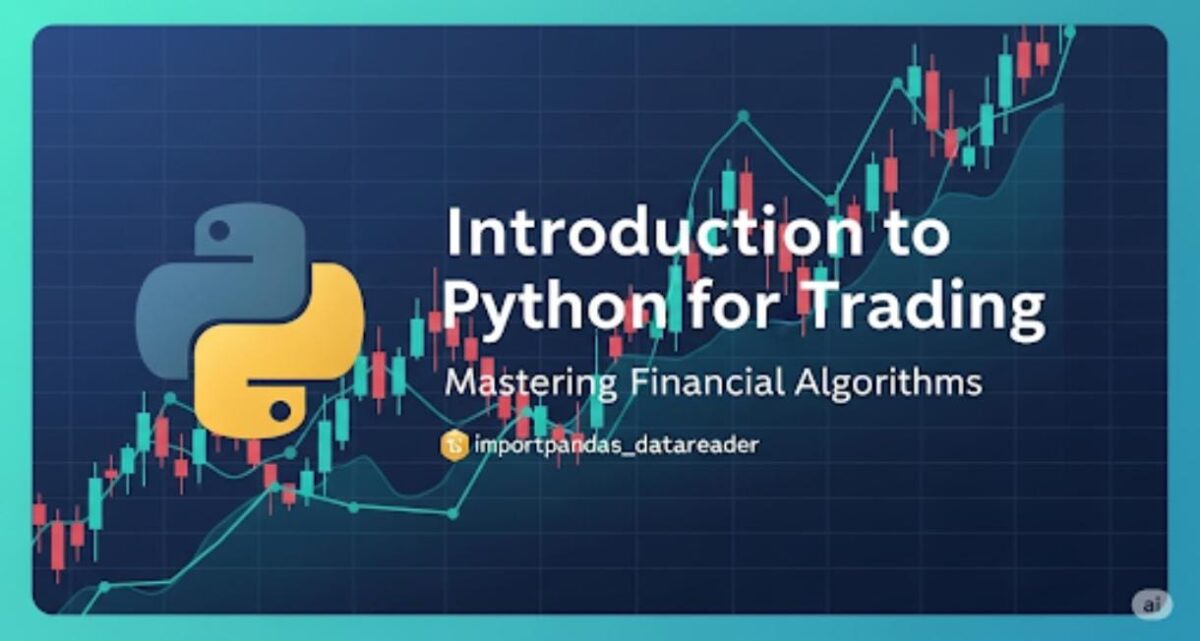
Introduction to Python for Trading.

Python for Stock Market – Beginner’s Guide to Algorithmic Trading 2025

Python for stock market analysis has become the gold standard for modern traders and investors looking to leverage technology in their trading journey. Understanding python for stock market applications can transform how you approach market analysis, strategy development, and trade execution. This comprehensive guide will introduce you to python for stock market trading and show you how to start your algorithmic trading journey.

At FinXperts Academy, we’ve helped numerous students master python for stock market applications through our practical-oriented approach. The beauty of python for stock market analysis lies in its simplicity and powerful capabilities that allow traders to develop sophisticated strategies without needing advanced programming knowledge.

Why Learn Python for Stock Market?

Easy to Learn and Use

Python for stock market analysis is particularly beginner-friendly. Unlike other programming languages, python for stock market applications doesn’t require extensive coding experience. Our students at FinXperts Academy often start seeing results within weeks of beginning their python for stock market journey.

Powerful Libraries and Tools

The python for stock market ecosystem offers incredible libraries that make financial analysis accessible:

  • Pandas for data manipulation and analysis

  • NumPy for mathematical operations

  • Matplotlib for charting and visualization

  • Scikit-learn for machine learning

  • BeautifulSoup for web scraping financial data

Automation Capabilities

Python for stock market trading enables you to:

  • Automate your trading strategies

  • Set up alerts and notifications

  • Generate automated reports

  • Backtest strategies efficiently

Getting Started with Python for Stock Market

Setting Up Your Environment

Starting with python for stock market analysis requires minimal setup:

  1. Install Python from python.org

  2. Set up Jupyter Notebook for interactive coding

  3. Install essential libraries using pip

  4. Choose a code editor (VSCode recommended)

  5. Connect to free market data sources

Basic Concepts You Need to Know

Our python for stock market course covers:

  • Variables and data types

  • Lists and dictionaries

  • Functions and loops

  • Working with dates and times

  • Handling financial data structures

Practical Python for Stock Market Applications

Data Collection and Analysis

Learn how to use python for stock market data collection:

  • Download historical price data

  • Clean and prepare market data

  • Calculate technical indicators

  • Perform statistical analysis

Building Your First Strategy

FinXperts Academy teaches you to:

  • Code simple moving averages

  • Implement RSI indicators

  • Create basic trading signals

  • Backtest your strategies

Risk Management with Python

Python for stock market risk management includes:

  • Position sizing calculations

  • Stop-loss implementation

  • Portfolio optimization

  • Performance analytics

Real-World Projects with Python for Stock Market

Project 1: Technical Analysis Scanner

Build a python for stock market scanner that:

  • Identifies chart patterns

  • Screens for specific setups

  • Sends email alerts

  • Generates daily reports

Project 2: Portfolio Tracker

Create a python for stock market portfolio manager that:

  • Trades your holdings

  • Calculates daily P&L

  • Provides performance analytics

  • Suggests rebalancing opportunities

Project 3: News Sentiment Analyzer

Develop a python for stock market sentiment tool that:

  • Scrapes financial news

  • Analyzes market sentiment

  • Correlates with price movements

  • Generates trading signals

Why Choose FinXperts Academy for Python Learning?

Practical Approach

Our python for stock market course focuses on:

  • Hands-on coding sessions

  • Real-market projects

  • Live mentoring support

  • Practical assignments

Comprehensive Curriculum

We cover everything from:

  • Python basics to advanced topics

  • Market data APIs integration

  • Strategy development and backtesting

  • Live trading implementation

Ongoing Support

FinXperts Academy provides:

  • 24/7 doubt resolution

  • Code review sessions

  • Community support forum

  • Career guidance

Success Stories

Our students have used python for stock market to:

  • Develop profitable trading strategies

  • Automate their trading workflows

  • Start quantitative trading careers

  • Build financial technology products

Further Learning Resources:

Frequently Asked Questions (FAQs)

Q1: How long does it take to learn python for stock market?

Most students become comfortable with basic python for stock market applications within 4-8 weeks of regular practice and guidance.

Q2: Do I need mathematics background for python for stock market?

Basic mathematics is helpful but not mandatory. Our course starts from fundamentals and builds up gradually.

Q3: Can I really automate trading with python?

Absolutely! Python for stock market automation is widely used by individual traders and institutions alike.

Q4: What kind of computer do I need for python for stock market?

Any modern computer with 8GB RAM and decent processing power can handle python for stock market applications effectively.

Q5: Does FinXperts Academy provide placement assistance?

Yes, we offer complete placement support for students who complete our advanced python for stock market program.

Educational Resources:
Disclaimer:

Trading involves significant risk of capital loss. Python for stock market should be used cautiously with proper risk management. Past performance doesn’t guarantee future results. Always test strategies thoroughly before live implementation.


Ready to Start Your Python Journey? Join FinXperts Academy’s comprehensive python for stock market program and transform your trading with technology.

The Finxperts Academy
B-11, Sector 2, Noida – 201301
Website: www.thefinxpertsacademy.com
Email: thefinxpertsacademy@gmail.com
Phone: +91 9717333285

Hours: Monday – Saturday: 11:00 AM – 6:00 PM IST

Categories
Uncategorized

Best Time to Trade in India.

Ideal Trading Time India – Best Market Hours for Maximum Profit 2025

Understanding the ideal trading time India is crucial for every trader looking to maximize their market opportunities. At FinXperts Academy, we help students identify the ideal trading time India through comprehensive market analysis and practical training. The concept of ideal trading time India varies based on your trading style, risk appetite, and market conditions, making it essential to develop a personalized approach to market timing.

Based on our extensive research at FinXperts Academy, the ideal trading time India typically includes these key periods:

Morning Trading Session (9:15 AM – 11:30 AM)

This period represents the most productive ideal trading time India for several reasons:

  • Markets have fresh momentum after opening

  • High volatility provides numerous opportunities

  • News and overnight developments impact prices

  • Institutional activity begins in earnest

For intraday traders, this is undoubtedly the ideal trading time India to focus on maximum activity. FinXperts Academy recommends this window as the primary ideal trading time India for most trading strategies.

Mid-Day Trading Session (11:30 AM – 2:00 PM)

While relatively quieter, this can still serve as an ideal trading time India for specific approaches:

  • Suitable for range-bound trading strategies

  • Good for position building in less volatile conditions

  • Lower risk environment for cautious traders

Closing Session (2:00 PM – 3:30 PM)

This period offers another ideal trading time India for various reasons:

  • Institutional position adjustments occur

  • Overnight position building opportunities

  • Increased volatility in the final hour

  • End-of-day trend confirmation

Weekday Variations in Market Timing

The ideal trading time India varies across different weekdays:

  • Monday: Gap moves and weekly positioning

  • Tuesday-Thursday: Most stable and predictable patterns

  • Friday: Profit booking and weekend positioning

FinXperts Academy Trading Timing Framework

We teach our students a structured approach to ideal trading time India:

  1. First Hour (9:15 AM – 10:15 AM): Observation and analysis period

  2. Peak Hours (10:15 AM – 11:30 AM): Primary trading window

  3. Afternoon Session (2:00 PM – 3:00 PM): Secondary opportunity period

Trading Style Specific Timing

The ideal trading time India differs based on your approach:

For Scalpers

Ideal trading time India: 9:30 AM – 10:30 AM
Reason: Maximum price movement and execution speed

For Swing Traders

Ideal trading time India: 2:00 PM – 3:00 PM
Reason: Clear end-of-day trends and positioning

For Position Traders

Ideal trading time India: Anytime with fundamental triggers
Reason: Longer time horizon reduces timing criticality

Expert Recommendations from FinXperts Academy

  1. Prepare before market opens (9:00 AM – 9:15 AM)

  2. Wait for clear direction until 10:00 AM

  3. Avoid new positions after 2:30 PM

  4. Exercise caution on Fridays

Common Timing Mistakes to Avoid

  • Entering trades immediately at market open

  • Trading during low-volume periods

  • Ignoring news event timings

  • Overlooking time-specific risks

FinXperts Academy Advantage

Our program covers:

  • How to identify ideal trading time India

  • Strategy-specific timing approaches

  • Risk management during volatile periods

  • Market timing analysis techniques

Further Reading:

Frequently Asked Questions (FAQs)

Q1: What is the best ideal trading time India for beginners?

For beginners, the ideal trading time India is between 10:00 AM – 11:30 AM when markets show clearer direction with managed volatility levels.

Q2: Can I trade successfully in the afternoon session?

Yes, the ideal trading time India includes the afternoon session (2:00 PM – 3:30 PM), particularly for swing trading and position building strategies.

Q3: Is Friday trading different from other days?

Friday requires careful approach as the ideal trading time India on Fridays involves increased profit booking and weekend position adjustments by institutional traders.

Q4: How should I approach trading after market holidays?

Post-holiday ideal trading time India requires waiting for 30-45 minutes after market open to allow proper price discovery and trend establishment.

Q5: Does FinXperts Academy teach about market timing?

Yes, FinXperts Academy provides comprehensive training on identifying ideal trading time India and implementing effective timing strategies across different market conditions.

Educational Resources:

Disclaimer:

Trading involves significant risk of financial loss. This content is for educational purposes only and should not be considered financial advice. Past performance does not guarantee future results. Please consult with qualified financial advisors before making investment decisions.


Ready to Master Market Timing? Learn how to identify ideal trading time India and develop successful trading strategies with FinXperts Academy’s comprehensive training programs.

The Finxperts Academy
B-11, Sector 2, Noida – 201301
Website: www.thefinxpertsacademy.com
Email: thefinxpertsacademy@gmail.com
Phone: +91 9717333285

Hours: Monday – Saturday: 11:00 AM – 6:00 PM IST